Understanding Self-Storage Delinquencies and Past-Due Accounts
In the world of self-storage, financial management is as critical as space management. Operators need to keep track of numerous customer accounts, some of which may become past-due or delinquent. Understanding these terms and their implications is vital for efficient management and legal compliance.
Definitions and Differences
Past-Due Accounts:
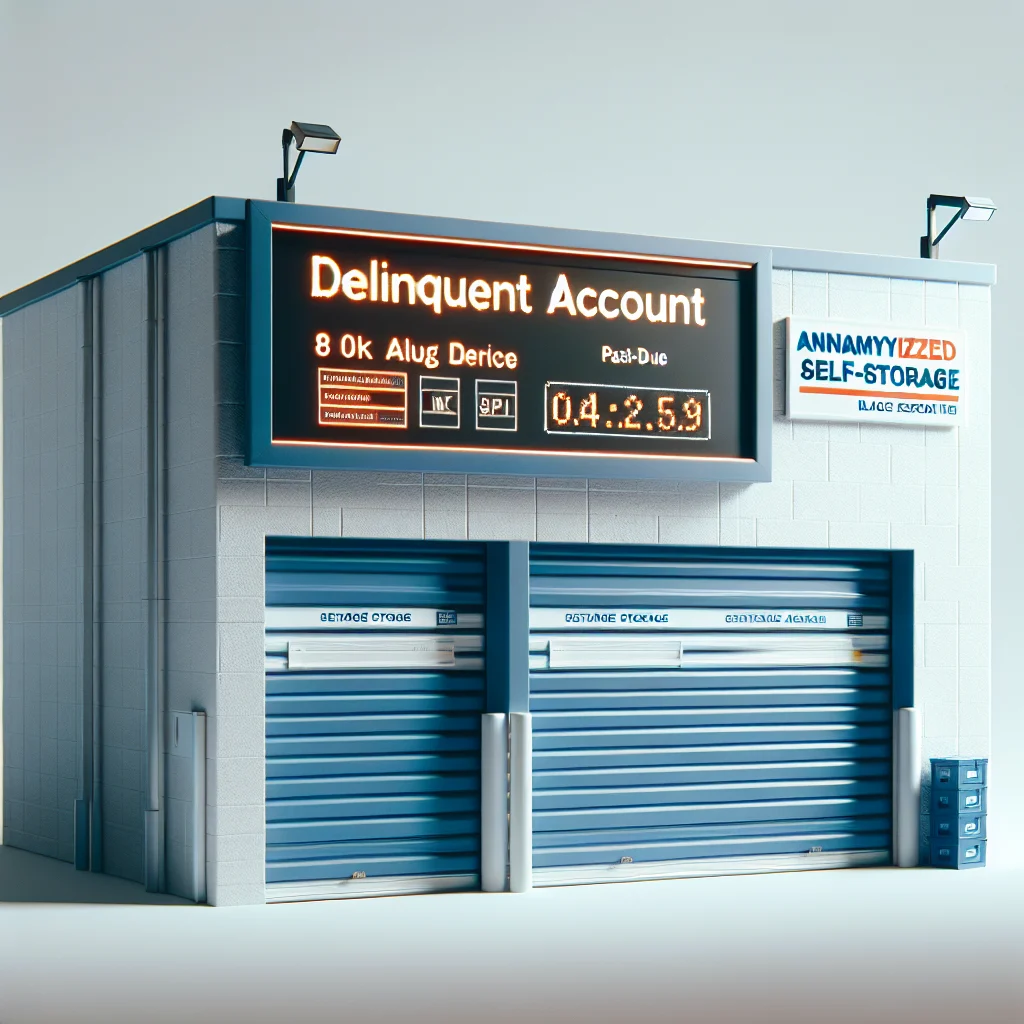
A past-due account in the self-storage context refers to any account that has not been paid by its due date. The due date for storage unit payments typically recurs monthly, similar to rent, and is agreed upon in the lease contract. When a payment is not received by this date, the account is classified as past-due. It’s essentially the first stage of a problematic financial status, signaling to the storage facility operators that some action may soon be needed if the payment remains unsettled.
Delinquent Accounts:
Delinquency, however, takes the situation a step further. A delinquent account occurs when a past-due account remains unpaid for an extended period, which could vary depending on the terms set in the rental agreement. This term describes an account that has been neglected for a longer duration and often results in an escalation of the actions a facility might take, including fees, access restrictions, or eventually the sale of stored items through an auction process – a common practice in self-storage when an account is severely delinquent.
Time Frames and Thresholds
The time frame distinguishing a past-due account from a delinquent one can differ among facilities. Operators often have their internal policies, but a common practice might involve considering an account delinquent after a second or third missed payment or a specific number of days past the due date, such as 30, 60, or 90 days.
Example Timeline:
- Day 1: Payment due.
- Day 5-10: Account becomes past-due – Late fees are often applied here.
- Day 30-60: Continued non-payment escalates the account to delinquent status.
- Day 60-90+: Non-payment may trigger further actions like denial of access to the unit or initiation of lien proceedings.
Business Implications
The financial health of a self-storage operation is significantly influenced by how delinquent accounts are managed. Delinquencies can affect cash flow, operational efficiency, and ultimately the bottom line. Therefore, facilities typically adopt strategies to minimize the occurrence and impact of such accounts.
Strategies for Managing Delinquencies:
-
Clear Communication:
- Communicate payment expectations and consequences clearly when contracts are signed. Regular reminders about upcoming payments can also mitigate delinquency risks.
-
Late Fees and Penalties:
- Implementing a structured system of late fees can encourage more timely payments. These additional costs should be clearly defined in the lease agreements to avoid disputes.
-
Automated Payment Systems:
- Encouraging or mandating automatic payments can drastically reduce the likelihood of accounts becoming past-due.
-
Follow-Up Procedures:
- Regular follow-up communication with past-due accounts can prevent them from becoming delinquent. This includes emails, letters, or phone calls reminding customers of their payment obligations.
-
Incentives:
- Offering small discounts for advance payments or payment on time can serve as a motivator for clients to adhere to their payment schedules.
-
Lien and Auction Processes:
- Implementing efficient and legally compliant lien and auction procedures can help mitigate losses from severely delinquent accounts. This often serves as a last-resort measure and must comply with state-specific laws.
Legal Considerations
The transition from a past-due to a delinquent status is not just a financial matter but also legal. It’s crucial to comply with local and state laws governing self-storage facilities. This includes laws on how to notify customers, the timeline for auctions, and state-specific lien processes.
Conclusion
Managing past-due and delinquent accounts in self-storage necessitates a delicate balance of customer service, robust policies, and adherence to legal standards. By understanding the nuances and implications of these problematic accounts, storage operators can devise effective strategies to minimize their occurrence and mitigate their impact, thereby maintaining financial stability and customer relations.

Leave a Reply