Automation Is Reshaping the Self-Storage Industry
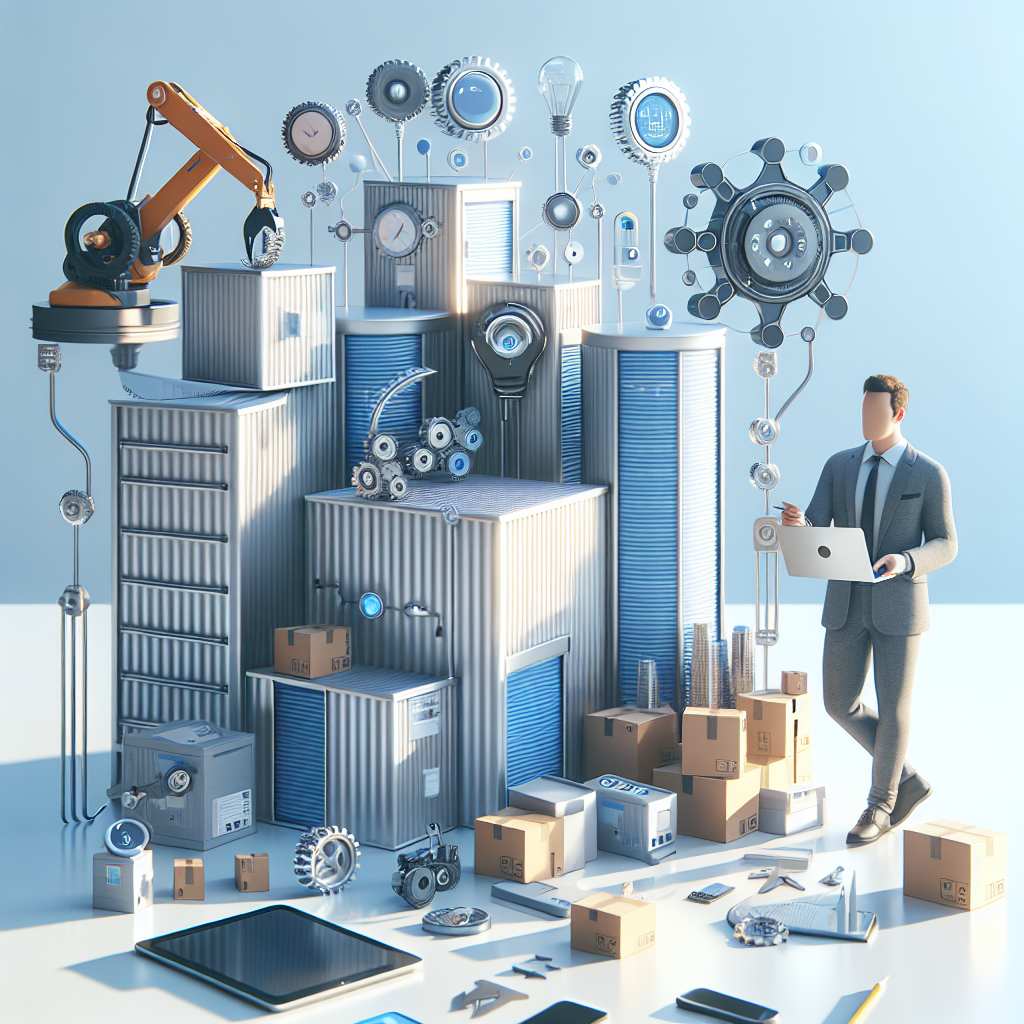
Automation is reshaping the self-storage industry, transforming the way facilities operate and making them more efficient and convenient for both customers and operators. At 6Storage, this technology helps streamline access, monitor units, and manage payments without manual effort. It ensures that tenants can safely and easily access their storage units while operators save time and reduce errors. By using smart systems and AI-driven tools, self-storage facilities can stay ahead in today’s competitive market.
With automation, traditional processes like key management, billing, and customer service are becoming faster and more reliable. Modern tools such as smart locks, sensors, and online platforms improve overall facility operations. Customers benefit from 24/7 access, real-time alerts, and simple online management of their units. As the self-storage industry grows, embracing automation ensures better security, efficiency, and a seamless experience for everyone.
1. Smart Access Systems
One of the most visible changes in self-storage is the adoption of smart access systems. As part of how automation is reshaping the self-storage industry, traditional lock-and-key mechanisms are increasingly being replaced by electronic locks controlled through mobile apps or keypads.
Benefits:
- Enhanced security with no risk of lost keys
- Convenient 24/7 access for tenants
- Real-time monitoring for operators
Facilities are also implementing automated gates and building access solutions. Customers can use smartphones or unique pin codes to enter and exit, streamlining access while improving security. Operators gain complete control, allowing remote management and monitoring of facility entry.
2. Inventory Management and Monitoring
Automation is transforming inventory management through IoT devices and smart sensors. These systems monitor storage unit conditions such as temperature and humidity, ensuring that sensitive items remain safe. Customers receive real-time alerts on their devices if conditions fall outside predefined thresholds. Advanced monitoring helps operators maintain high standards of security and unit preservation.
Advanced software platforms also analyze space utilization and occupancy patterns, enabling operators to make informed decisions about unit allocation, dynamic pricing, and inventory optimization. This level of automation ensures resources are used efficiently, reducing operational costs. Operators can quickly adjust strategies based on occupancy trends and demand patterns. Overall, automation supports smarter management and better customer satisfaction.
3. Automated Customer Interactions
Modern self-storage facilities increasingly rely on automated customer service tools to improve efficiency and convenience. As part of how automation is reshaping the self-storage industry, these tools include self-service kiosks, online booking platforms, and virtual assistants. Automation ensures that routine tasks are handled smoothly, benefiting both operators and tenants.
Key Benefits:
- 24/7 rental and information access
- Automated rental agreements and payments
- Chatbots providing instant responses to common inquiries
By automating these interactions, staff can focus on more complex customer needs without delays. Customers enjoy a seamless experience with easy access to information and services at any time. This improves overall satisfaction and loyalty.
Automation also supports digital-first expectations and reduces operational errors. Facilities can respond faster to inquiries and provide instant updates to tenants. Over time, this leads to smoother operations and a more professional customer experience.
4. Enhanced Security Measures
Security is a top priority in self-storage, and automation provides cutting-edge solutions:
- AI-powered surveillance cameras detect unusual activity and notify operators instantly
- Automated alarm systems and sensors identify emergencies like fires or floods
- Immediate alerts to management and emergency services minimize damage
These technologies not only protect tenants’ belongings but also provide operators with peace of mind through constant real-time monitoring.
5. Automated Billing and Payment Systems
Automation makes billing and payment in self-storage faster, more accurate, and convenient for both customers and operators. It reduces manual work while keeping financial processes organized. These systems are essential for smooth facility management.
Key Features:
- Electronic invoicing and automated payment reminders
- Flexible payment options, including credit cards, online transfers, and direct debits
- Secure electronic receipts for transparency and easy record-keeping
Automated billing improves customer experience by offering simple and timely payment options. Operators can track transactions easily and focus on other important tasks. Overall, these systems create a reliable and efficient financial workflow for the facility.
6. Data-Driven Decision Making
As automation is reshaping the self-storage industry, facilities generate large volumes of data that can inform strategic decisions. By analyzing this information, self-storage operators can improve efficiency and reduce operational costs. Advanced analytics platforms provide insights into customer behavior, occupancy trends, and market performance. Using these insights, operators can make proactive decisions that help their facilities stay competitive and successful.
Key Benefits:
- Analytics platforms process customer behavior, occupancy trends, and market data
- Predictive analytics anticipate future demand, guiding expansion and pricing strategies
- Operators can identify underutilized resources and optimize facility performance
Leveraging these insights allows self-storage businesses to stay ahead of competitors and deliver superior services.
FAQs
What is automation in the self-storage industry?
Automation in the self-storage industry uses technology such as smart locks, sensors, AI, and online platforms to streamline operations. It improves security, efficiency, and customer experience while reducing manual workload for facility staff.
How do smart access systems work in self-storage?
Smart access systems replace traditional keys with mobile apps, keypads, or unique pin codes. They allow tenants to enter units 24/7 while giving operators real-time control and monitoring of access points.
What are the benefits of automated billing and payment systems?
Automated billing handles invoicing, payment reminders, and electronic receipts, reducing administrative work. Customers enjoy flexible payment options, while operators maintain smooth financial workflows.
How does automation improve inventory management?
IoT sensors and smart software monitor unit conditions like temperature and humidity, ensuring stored items remain safe. Analytics platforms track occupancy and space usage, helping operators make informed allocation and pricing decisions.
Can automation enhance customer interactions in self-storage?
Yes, automated systems like kiosks, online booking platforms, and chatbots allow tenants to rent units, get information, and resolve queries without staff intervention. This provides a convenient 24/7 digital-first experience.
How does data-driven decision making help self-storage operators?
Automation collects large volumes of data, which operators can analyze to optimize pricing, space utilization, and expansion plans. Predictive analytics allow businesses to anticipate demand and stay competitive in the market.
Conclusion
The wave of automation is reshaping the self-storage industry, bringing improved efficiency, enhanced security, and superior customer experiences. Companies that embrace these technologies gain a competitive edge, offering services that meet modern consumer expectations while optimizing operational performance. As technology continues to evolve, the potential for innovation in self-storage is limitless. Operators who want to explore revolutionary self-storage technologies can learn more here. Operators who adopt automation today are likely to lead the industry tomorrow.

Leave a Reply