Self-storage costs depend on unit size, location, and features. On average, a small unit costs around $50–$80 per month, a medium unit $100–$150, and a large unit $200–$300. Prices are higher in cities and lower in suburbs. Extra features like climate control or security can increase the cost.
Many people use self-storage for moving, decluttering, or storing business items. Choosing the right unit helps save money and keeps belongings safe. Comparing multiple facilities can give you the best deal. Understanding storage costs in advance ensures you plan your budget effectively.
Additionally, seasonal demand and facility popularity can also affect prices. Units with advanced security, climate control, or flexible access may cost more but offer added convenience. Planning ahead and knowing what features you truly need can help you avoid overspending. Taking the time to research ensures you get the most value from your self-storage rental.
Average Self-Storage Unit Costs by Size
| Unit Size | Average Monthly Cost | Ideal For | Extra Features Impact |
| Small (5×5 ft) | $50 – $80 | Personal items, seasonal storage | Minimal impact |
| Medium (10×10 ft) | $100 – $150 | Furniture, small apartment items | Moderate impact |
| Large (10×20 ft) | $200 – $300 | Household items, business inventory | High impact |
| Climate-Controlled Units | +$20 – $50 | Electronics, artwork, sensitive items | Significant impact |
| Vehicle Storage | $75 – $250 | Cars, motorcycles, RVs, boats | Security & access add cost |
Factors That Affect Self-Storage Costs
Self-storage prices can vary depending on several important factors. Knowing these factors helps you choose the right unit at the best price. Understanding them also prevents unexpected costs. For more information on self-storage options and pricing, you can visit 6storage.
Unit Size
The size of the storage unit is a major cost factor. Small units are cheaper, while larger units cost more. Choosing the right size ensures you pay only for the space you need.
Location
Where the storage facility is located affects its price. Units in busy city areas usually cost more than those in suburbs. Choosing a nearby location can save money and time.
Rental Duration
How long you rent a unit can impact the cost. Monthly rentals are common, but long-term rentals may offer discounts. Planning your storage duration helps manage your budget effectively.
Climate Control
Climate-controlled units cost extra but protect sensitive items like electronics or documents. They maintain stable temperature and humidity levels. This is worth it for items that could be damaged by heat or moisture.
Security Features
Security features affect the overall price of a unit. CCTV cameras, gated access, and on-site staff increase safety. Paying a little more can give peace of mind for valuable items.
Additional Services
Additional services may include insurance, 24/7 access, or moving supplies. These services can increase the monthly cost. Including them can make your storage experience more convenient and secure.
Average Costs of Self-Storage Units
The cost of a self-storage unit depends mainly on its size and location. Prices can vary from city to city and between urban and rural areas. Knowing average costs helps you plan your budget before renting a unit. For facilities that manage units efficiently, you can also explore self-storage management solutions to streamline your storage experience.
On average, small units are the cheapest, while large units are more expensive. Urban locations tend to have higher prices than suburban or rural facilities. Being aware of these averages can help you make a cost-effective choice.
- Small units (5×5 ft): $50–$80 per month
- Medium units (10×10 ft): $100–$150 per month
- Large units (10×20 ft): $200–$300 per month
These ranges give a clear idea of what to expect when renting a unit. Always check multiple facilities to find the best price. Remember, extra features like climate control or security can increase costs.
Types of Self-Storage Units
There are different types of self-storage units to suit various needs. Choosing the right type ensures your items stay safe and your storage is cost-effective. Understanding the options helps you pick the perfect unit.
- Standard Units: Basic storage for general items
- Climate-Controlled Units: Protect furniture, electronics, and documents
- Vehicle Storage: Cars, boats, RVs, motorcycles
- Specialty Storage: Wine, important documents, artwork
Each type of unit offers specific benefits depending on what you need to store. Knowing the differences helps you avoid unnecessary costs. Make sure to choose a unit that fits both your items and your budget.
Tips to Save on Self-Storage Costs
There are several ways to reduce the cost of self-storage without compromising on quality. Planning ahead and comparing options can save you both money and time. Using discounts and promotions is one of the easiest ways to save. For more detailed strategies on maximizing your storage investment, check out General Self-Storage Investment.
Choosing the right unit size and location also impacts the final price. Downsizing or sharing a unit can help reduce monthly fees. Being smart about your storage choices ensures maximum value for your money.
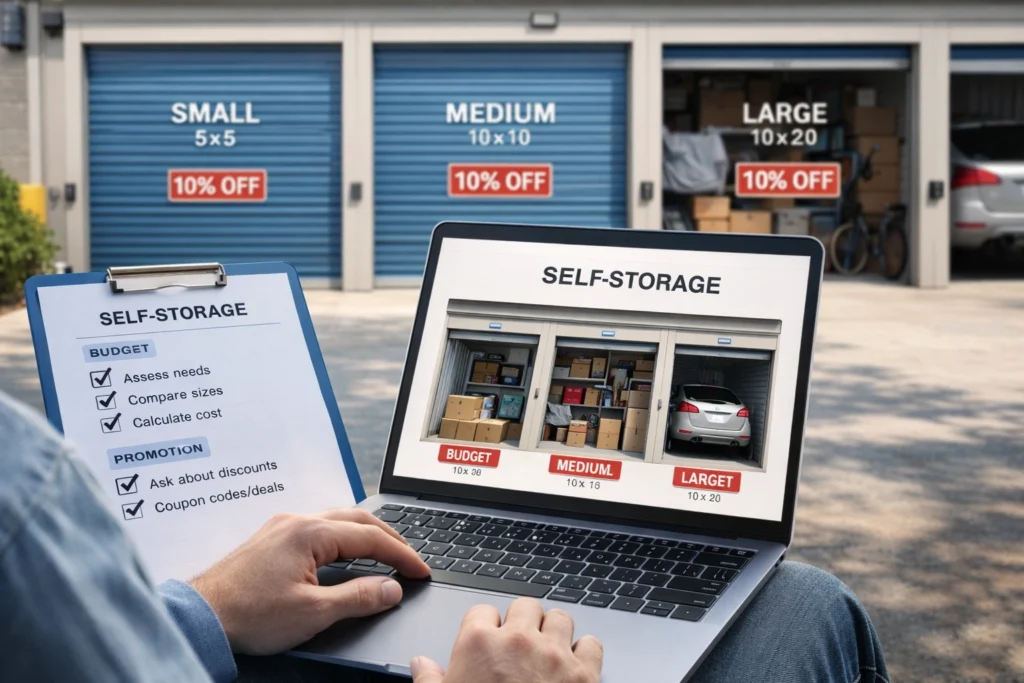
- Look for first-month discounts or promotions
- Downsize your unit if you don’t need too much space
- Compare multiple storage facilities before renting
- Book online to get better deals
Applying these tips can help you save significantly on storage costs. Even small savings add up over time. Always check for ongoing deals and seasonal promotions.
When a Higher Cost May Be Worth It
Sometimes paying a little extra for a self-storage unit can be worth it. Higher-priced units often provide better features, security, and convenience. Choosing the right premium unit ensures your belongings are safe and well-protected.
- Climate-controlled units for delicate items
- 24/7 access for business storage needs
- Units with high security and insurance coverage
Investing in a higher-cost unit can save you from potential damage or loss. Premium features are especially helpful for valuable or sensitive items. Always weigh the cost against the benefits to make the best choice.
FAQs
How much does a small self-storage unit cost per month?
Small self-storage units usually cost between $50 and $80 per month. The price may vary depending on the location and features included. Always compare multiple facilities to get the best rate.
Are there hidden fees?
Some storage facilities charge extra for insurance, administrative fees, or late payments. It’s important to ask about all potential charges before renting. This helps avoid surprises on your monthly bill.
Can I rent a unit for just a few days?
Yes, some facilities offer short-term rentals for a few days or weeks. However, most units are priced on a monthly basis. Short-term options may come at a slightly higher rate.
Do prices change with seasons?
Yes, storage costs can increase during high-demand periods like summer. Prices are usually lower during off-peak months. Planning ahead can help you save money.
Is insurance included?
Storage insurance is usually not included in the base cost. You may need to purchase it separately for added protection. Insurance helps protect your items against damage, theft, or natural disasters.
Conclusion
Self-storage costs depend on several factors, including unit size, location, rental duration, and extra features like climate control or enhanced security. By comparing different facilities and reading reviews, you can find the best value for your money. Choosing the right type of unit ensures your items stay safe while avoiding unnecessary expenses.
Looking for discounts, promotions, or first-month deals can also help lower costs significantly. Planning ahead and organizing your storage needs carefully makes the process easier and more cost-effective. For more insights on self-storage unit costs, you can check out this Quora discussion to see real user experiences and price examples.

Leave a Reply