What storage management software mistakes should you avoid?
Choosing the right storage software is important, and most problems happen when businesses make simple storage management software mistakes. These mistakes often include picking tools without automation, ignoring scalability, or focusing only on price. Poor choices can lead to billing errors, low efficiency, and unhappy tenants. The right software helps you manage operations smoothly and reduces daily stress.
Many storage owners rush the decision and end up with systems that do not fit their needs. Some tools lack proper reporting, while others are difficult to use or do not support growth. When software cannot handle multiple locations or tenant needs, it slows down the whole business. Avoiding these common issues helps you choose a system that supports long-term success.
Ignoring automation features
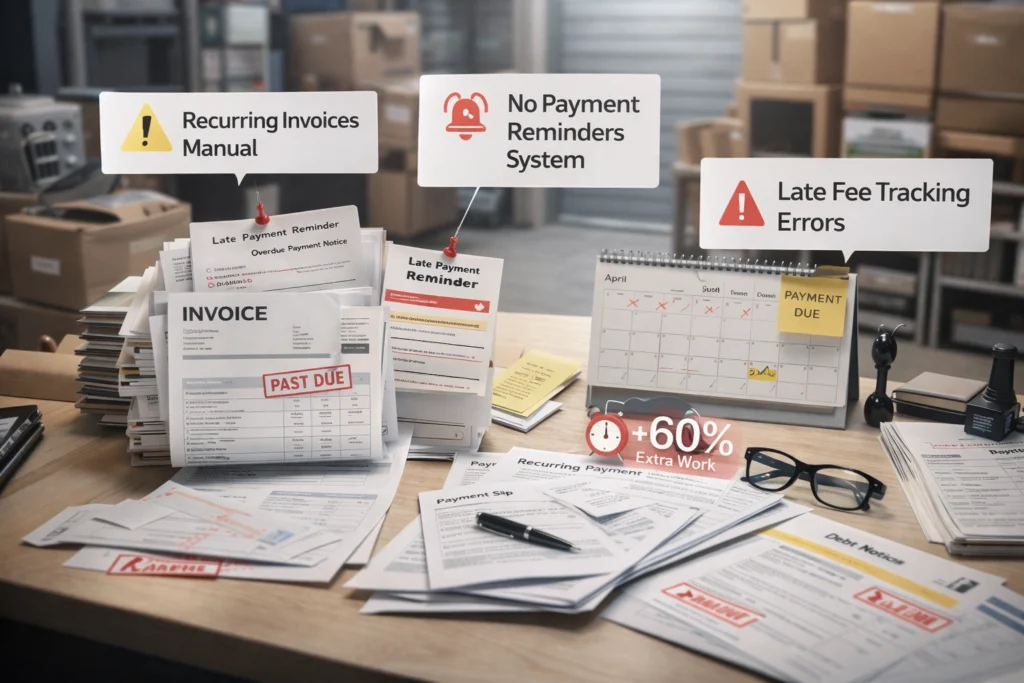
Many storage owners make storage management software mistakes by choosing systems that do not support automation. This leads to extra manual work for invoices, reminders, and customer updates. Over time, it slows down daily operations and creates more errors.
Recurring invoices
Recurring invoices help you save time and avoid manual billing every month. When this feature is missing, staff must create each invoice one by one. This increases workload and delays payments.
Payment reminders
Payment reminders help tenants pay on time without needing manual follow-ups. Without this feature, staff must call or message customers individually. This takes extra time and often leads to missed payments.
Late fee automation
Late fee automation applies charges automatically when payments are delayed. If this is not available, staff must track every overdue account manually. This creates confusion and increases chances of mistakes.
Poor scalability planning
Many storage owners only focus on current needs. This creates problems when the business expands to more locations or adds more units. Many businesses choose a self storage management software solution that can handle long-term growth without switching systems later.
Your software should support:
- multi-location dashboards
- centralized reporting
- role-based access
- unit expansion
- future team growth
Planning for scalability early helps avoid switching software later.
Weak tenant self-service tools
Many storage management software mistakes happen when tenant tools are weak or missing. Tenants today expect fast and easy online access. Without self-service tools, they depend too much on staff. A strong storage software features system helps improve tenant experience and reduces manual work for the team.
Online reservations
Online reservations allow tenants to book units anytime. Without this feature, they must call or visit physically. This reduces convenience and slows down bookings.
Rent payments
Online rent payments make it easy for tenants to pay on time. Without it, they may delay payments or forget deadlines. This creates more overdue accounts.
Lease signing
Digital lease signing removes the need for paperwork. Without it, tenants must complete manual forms. This makes the process slow and less efficient.
Hidden pricing costs
A common mistake is choosing software based only on the monthly price. Many providers add extra charges later, which increases total cost. Choosing a reliable storage management software solution helps businesses avoid unexpected fees and better control long-term expenses.
Always check for:
- setup fees
- onboarding costs
- payment processing limits
- integration charges
- support fees
- contract lock-ins
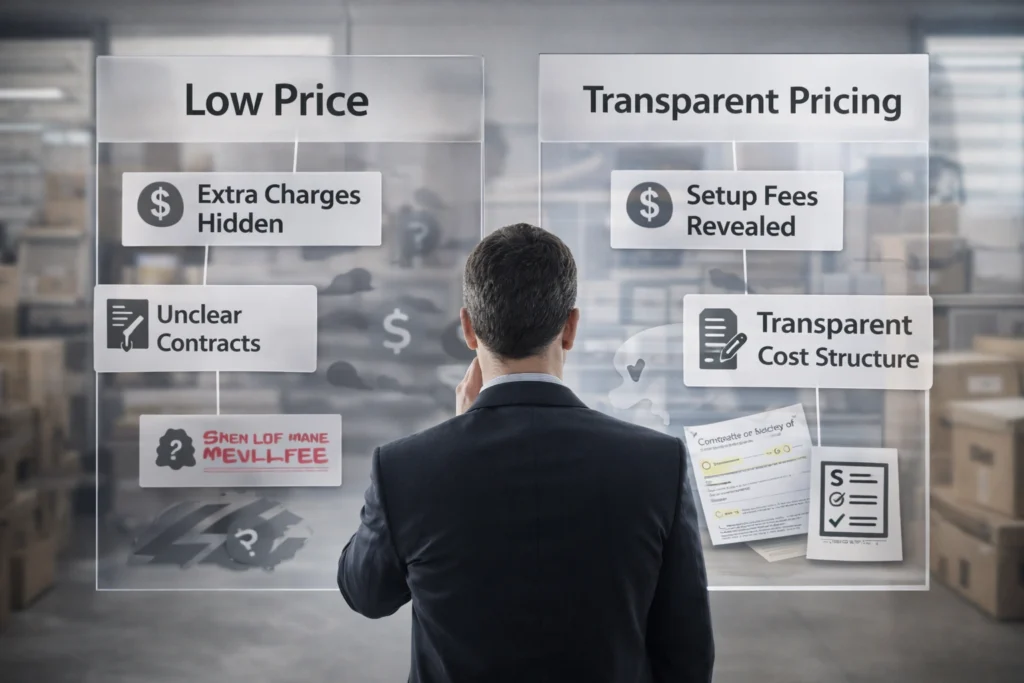
Transparent pricing makes long-term planning easier.
Limited reporting and analytics
Many storage management software mistakes happen when businesses choose systems with weak reporting tools. Without proper reports, it becomes hard to understand how the business is actually performing. Basic payment summaries are not enough to make smart decisions or plan future growth.
Good software should give clear insights into business performance so owners can make better decisions. It should track key data like occupancy rates, revenue trends, overdue payments, move-ins and move-outs, popular unit sizes, and monthly growth. This kind of information helps improve planning, pricing, and daily operations in a simple and clear way.
Missing system integrations
Another major mistake is choosing software that does not connect with your other tools. Disconnected systems create more manual work and slow down daily operations. Many modern platforms now include an AI-powered sales automation tool that helps manage leads and improve response handling without extra effort.
Useful integrations include:
- gate access systems
- payment processors
- website rentals
- accounting tools
- CRM systems
- SMS and email tools
Connected systems keep workflows smooth and efficient.
Difficult user experience
Even powerful software can become a problem if it is hard to use. A confusing dashboard slows staff productivity and increases training time.
Good software should offer:
- simple navigation
- clear dashboard layout
- fast workflows
- easy training
- quick task completion
Easy-to-use software helps teams work faster with fewer mistakes.
Security and access risks
Storage businesses handle customer details, lease documents, and payment data. Weak security can create serious problems.
Important security features include:
- staff permissions
- secure payments
- audit logs
- user activity tracking
- data protection
- controlled access levels
Strong security is very important for any storage business because it protects both company and customer information. Without proper protection, sensitive data like payments and lease records can be misused or lost. A secure system also builds trust and reduces the risk of fraud or unauthorized access.
FAQs
What are the most common storage management software mistakes?
The most common mistakes include ignoring automation, choosing software that does not scale, and focusing only on price. Many businesses also overlook tenant tools and reporting features. These issues often lead to daily operational problems and lost efficiency?
Why is automation important in storage management software?
Automation helps reduce manual work like billing, reminders, and follow-ups. It saves time for staff and reduces human errors in daily operations. It also improves payment consistency and tenant communication?
How does poor software choice affect business growth?
Poor software limits your ability to scale and manage multiple locations easily. It can also slow down reporting and decision-making. Over time, this affects efficiency and revenue growth?
What should be checked before choosing storage software?
You should check features like automation, reporting, tenant self-service tools, and integrations. It is also important to review pricing transparency and scalability options. Do these factors ensure long-term business support?
How do reporting tools help storage businesses?
Reporting tools help track occupancy, revenue, payments, and customer activity. This data supports better pricing and planning decisions. Without reporting, it becomes hard to understand business performance?
Conclusion
Avoiding common storage management software mistakes can save a lot of time, money, and daily effort for storage businesses. The right software should support automation, accurate reporting, easy tenant access, and smooth multi-location management. When these features are missing, operations become slow and harder to control. A good system also helps reduce manual errors and improves overall efficiency. Over time, it supports better decision-making and stronger business growth. Choosing wisely ensures your storage business stays organized, competitive, and ready to scale in the future.
For more industry insights and practical guidance, you can review this trusted resource on storage management software guide to better understand best practices and improve your system selection process.

Leave a Reply